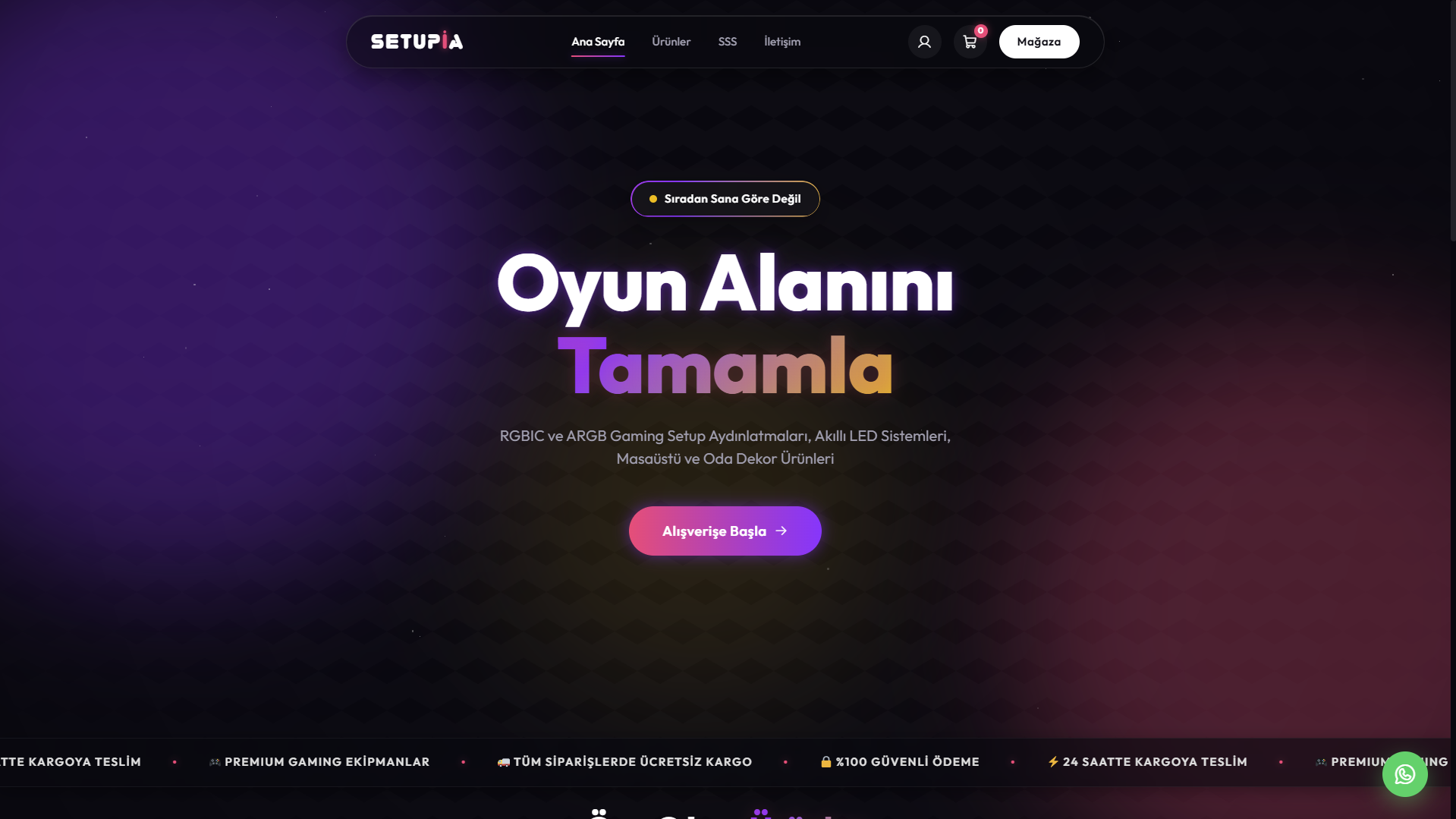
Full e-commerce implementation
Setupia
Fanari built the custom frontend and backend, including orders, reviews, and inventory. The system made products easier to browse and order online.
Read the Setupia case study →For businesses that need more than a generic store theme: a considered storefront connected to products, orders, inventory, payments, shipping, and the people managing them.
A custom commerce build connects the buying experience to the operational steps required after a customer places an order.
Product discovery, useful detail, and a clear buying path.
Products, pricing, reviews, carts, and order rules.
Stock information connected to product and order activity.
Payments, order status, administration, and internal handling.
Logistics connections, tracking, and defined fulfilment steps.
A standard store can be appropriate when products and operations are straightforward. Custom development becomes useful when the customer experience and the back-office workflow must work as one system.
A focused catalogue and standard checkout using established platform behavior.
A tailored storefront with business-specific product, order, inventory, administration, payment, or logistics requirements.
We define the technical approach after understanding the actual workflow—not by forcing every business into one platform.
Each project shows a different connection between the customer-facing commerce experience and the operational workflow behind it.
Fanari built the custom frontend and backend, including orders, reviews, and inventory. The system made products easier to browse and order online.
Read the Setupia case study →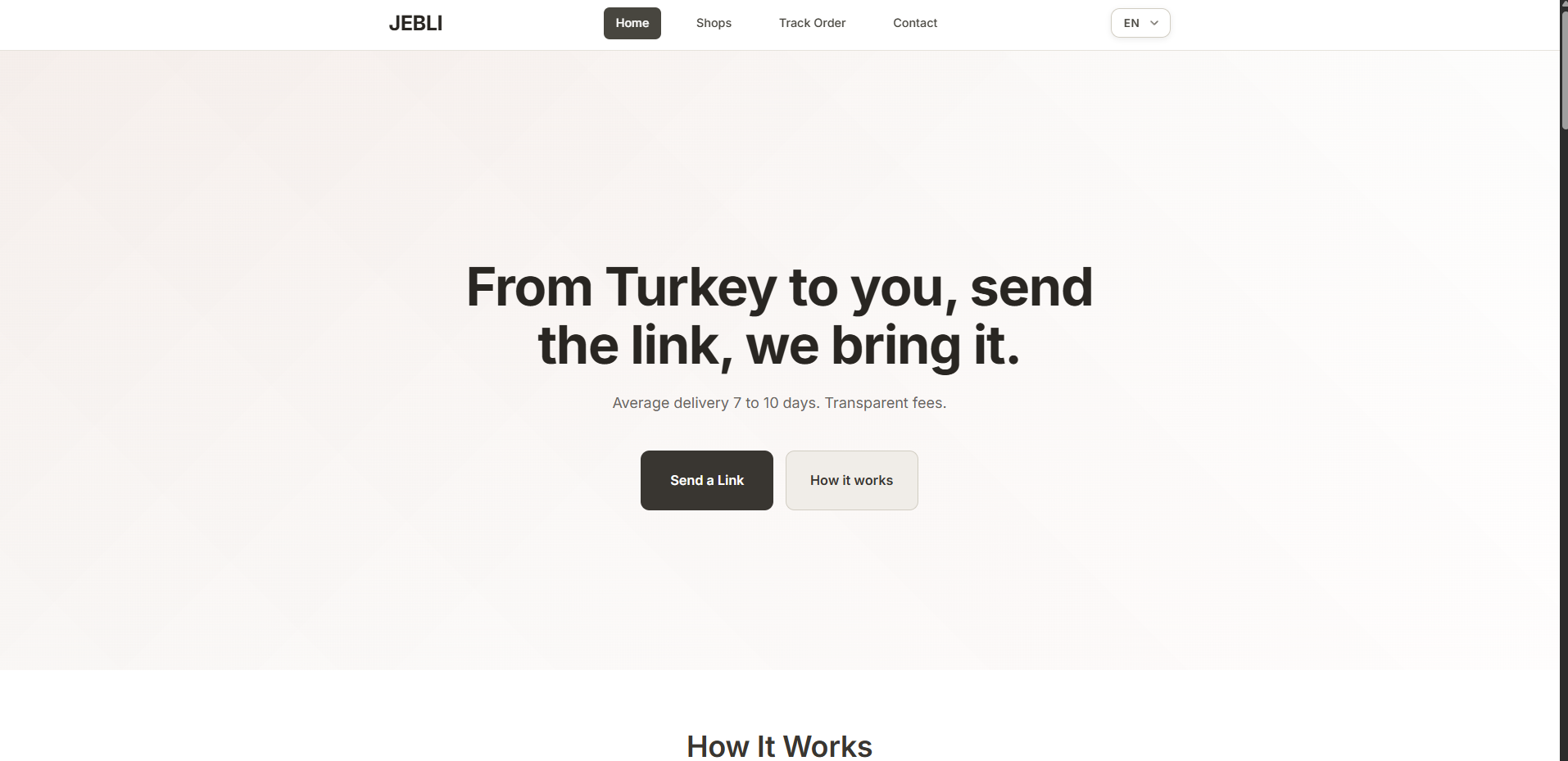
Orders, shipping, and tracking are automated. Manual shipping handling was removed from the workflow.
Read the Jebli case study →The final scope depends on products, operating rules, existing tools, payment availability, and logistics requirements.
We can map the storefront and the operational workflow together, then define an appropriate custom build.